Saffron: The Sunshine Spice for Mood & Focus
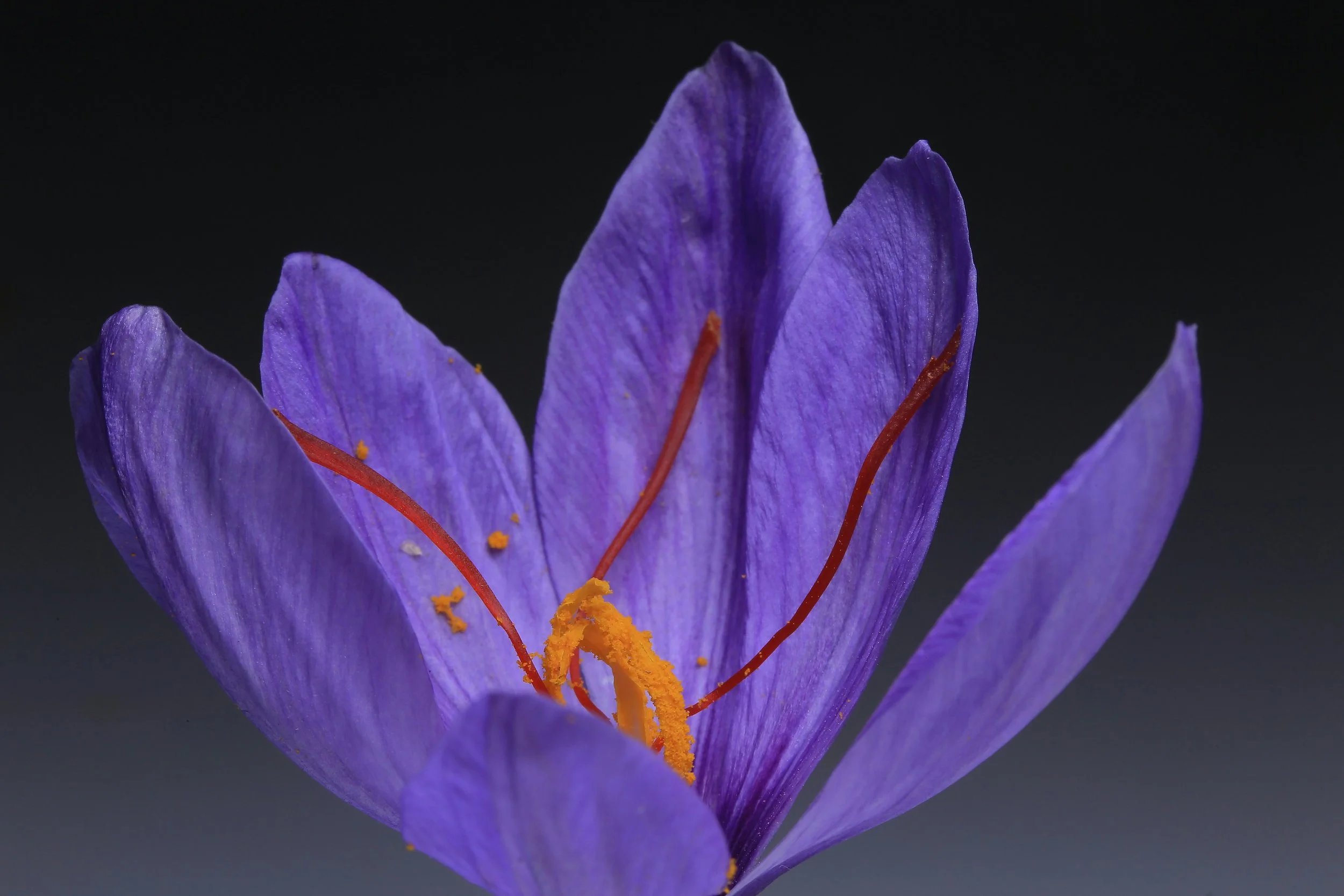
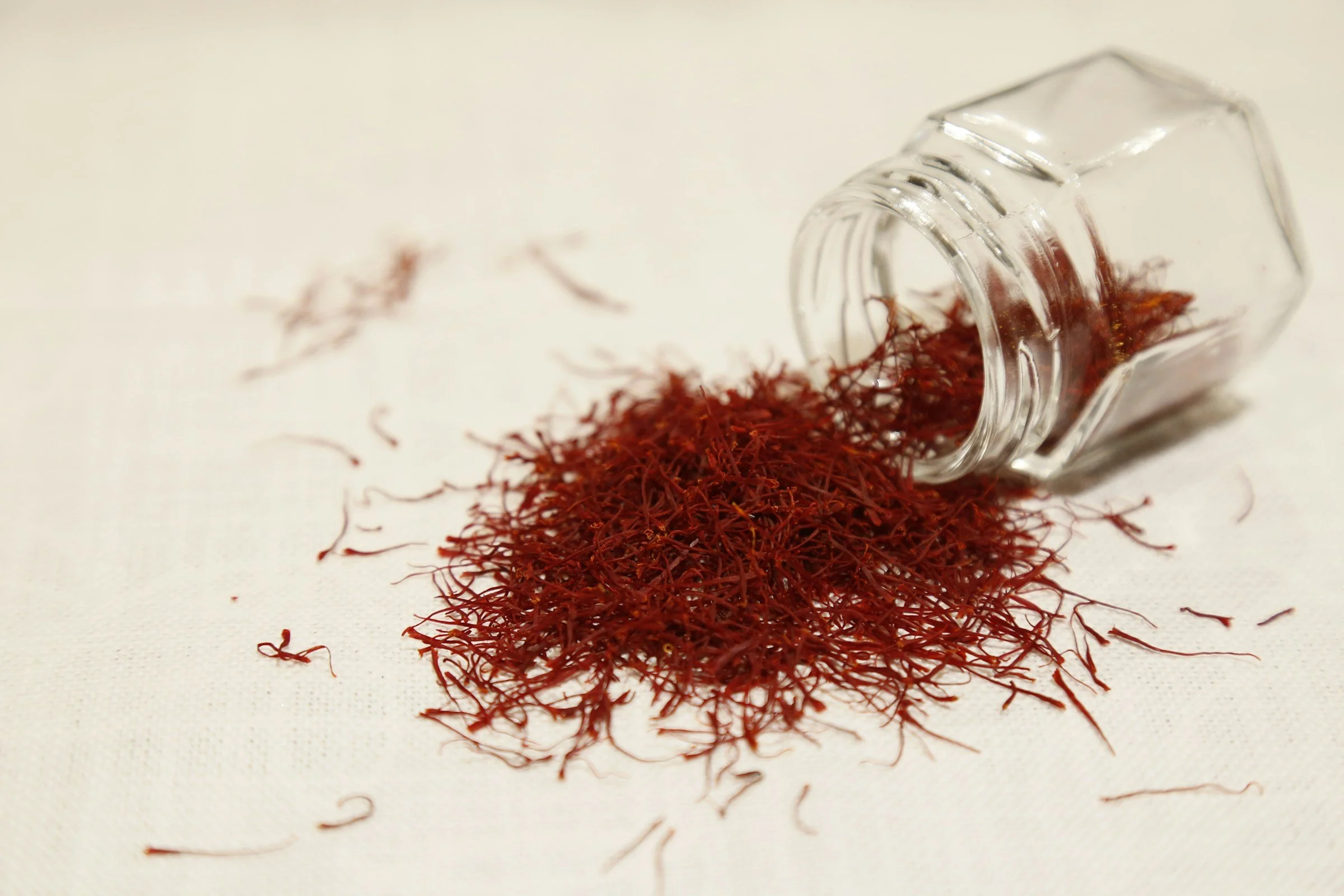
Saffron is often called "the sunshine spice," and it's one of the most expensive spices in the world. It comes from the Crocus sativus flower, and the part that's used is the stigma, the small red thread at the centre of each bloom. Each flower produces only a few of these threads, and they have to be picked by hand, so saffron takes an enormous amount of work to harvest. Most of the world's saffron comes from Iran.
People have used saffron for over 4,000 years, going back to the ancient Greeks, Persians, and Romans. It has deep roots in Middle Eastern cooking, where it's prized for giving rice its warm golden colour and rich, distinct aroma. Beyond the kitchen, saffron has a long history in traditional medicine, and modern research is starting to look at some of those uses more closely.
For Mood
There's a real body of research, several well-designed trials out of Iran, looking at saffron for mild to moderate depression, and comparing it directly against fluoxetine, one of the most commonly prescribed antidepressants. The results are striking: saffron performed comparably to the medication, without the sexual side effects or weight changes that sometimes come with SSRIs. Currently, we don’t have enough research to replace antidepressants with Saffron. But for patients dealing with milder mood symptoms, or looking for something to use alongside their existing care, it's a tool I feel genuinely good about recommending.
I see a lot of patients whose mood, energy, and comfort levels shift dramatically through their menstrual cycle, and saffron has become one of my go-to recommendations here. A recent meta-analysis pooling multiple trials found that saffron meaningfully eased both PMS mood symptoms as well as menstrual cramping. For patients who've tried everything from magnesium to seed cycling, this is often a welcome addition.
For Focus and Attention
Saffron's effect on mood seems to come from the way it interacts with serotonin, dopamine, and norepinephrine, some of the same pathways targeted by ADHD medications, just through a different mechanism. A small but well-designed pilot study compared saffron directly to methylphenidate in children with ADHD and found the two performed similarly over six weeks, with a comparable side effect profile. Another study looked at combining saffron with methylphenidate and found some benefit to the combination.
For Weight and Metabolic Health
One of the more surprising things I've come across is saffron's effect on appetite. A 2026 meta-analysis of 28 randomized trials found saffron supplementation was associated with small reductions in body weight (about 1 kg on average), BMI, and waist circumference. The theory is that Saffron has an effect on dopamine receptors in a way that helps people satisfied with less. However, the meachnism has not yet been confirmed in people.
A Few Other Places It Shows Up
Saffron has also been studied for its role in supporting healthy blood sugar levels, protecting eye health (particularly for those at risk of age-related macular degeneration), and supporting memory and cognitive function. And in the lab, researchers have found some genuinely promising anti-cancer properties in saffron's compounds, although this research is still at the cell and laboratory stage of research.
I keep coming back to this herb because it’s rare to find something that touches mood, cycle symptoms, focus, and metabolic health all at once. That's part of why it's earned a permanent place in how I support my patients.
References
Noorbala AA, Akhondzadeh S, Tahmacebi-Pour N, Jamshidi AH. Hydro-alcoholic extract of Crocus sativus L. versus fluoxetine in the treatment of mild to moderate depression: a double-blind, randomized pilot trial. J Ethnopharmacol. 2005;97(2):281-284.
Akhondzadeh S, Tahmacebi-Pour N, Noorbala AA, et al. Crocus sativus L. in the treatment of mild to moderate depression: a double-blind, randomized and placebo-controlled trial. Phytother Res. 2005;19(2):148-151. doi:10.1002/ptr.1647
Shahmansouri N, Farokhnia M, Abbasi SH, et al. A randomized, double-blind, clinical trial comparing the efficacy and safety of Crocus sativus L. with fluoxetine for improving mild to moderate depression in post percutaneous coronary intervention patients. J Affect Disord. 2014;155:216-222.
Mohammadi MM, Karimi Z. Effect of saffron on premenstrual syndrome and dysmenorrhea: a systematic review and meta-analysis. Korean J Fam Med. 2026;47(1):69-80. doi:10.4082/kjfm.24.0259
Baziar S, Aqamolaei A, Khadem E, et al. Crocus sativus L. versus methylphenidate in treatment of children with attention-deficit/hyperactivity disorder: a randomized, double-blind pilot study. J Child Adolesc Psychopharmacol. 2019;29(3):205-212. doi:10.1089/cap.2018.0146
Khaksarian M, Ahangari N, Masjedi-Arani A, et al. A comparison of methylphenidate (MPH) and combined methylphenidate with Crocus sativus (saffron) in the treatment of children and adolescents with ADHD: a randomized, double-blind, parallel-group, clinical trial. Iran J Psychiatry Behav Sci. 2021;15(3):e108390.
Vazirinasab A, Rostamian R, Golpour-Hamedani S, et al. Effects of saffron supplementation on obesity indices: a systematic review and dose–response meta-analysis of randomized controlled trials. Nutr Metab (Lond). Published online September 7, 2026. doi:10.1186/s12986-026-01207-z
Rahmani J, Bazmi E, Clark C, Hashemi Nazari SS. The effect of saffron supplementation on waist circumference, HbA1c, and glucose metabolism: a systematic review and meta-analysis of randomized clinical trials. Complement Ther Med. 2020;49:102298. doi:10.1016/j.ctim.2020.102298