Globe Artichoke: Cynara scolymus
Artichoke is one of the oldest medicinal plants, used by people both as a food and as a medicine. Its origins stem from the Mediterranean basin, used today by modern South Europeans as well as by ancient Egyptians and Greeks in the past.
The plant contains multiple interesting and well-researched compounds: cynarin (a bitter liver moving compound), luteolin and apigenin (flavonoids valued for their many health-promoting properties), plant sterols (key compounds for addressing elevated cholesterol), and inulin (a prebiotic fibre that has been shown to support the growth of healthy microorganisms in the gut). It is also rich in a variety of minerals (potassium, phosphorus, zinc, iron, copper, magnesium), probably why people in the Mediterranean region used to spread its ashes over soil as a fertilizer. By consuming the whole plant, one is able to get the benefits of all of these compounds, rather than isolated extracts.
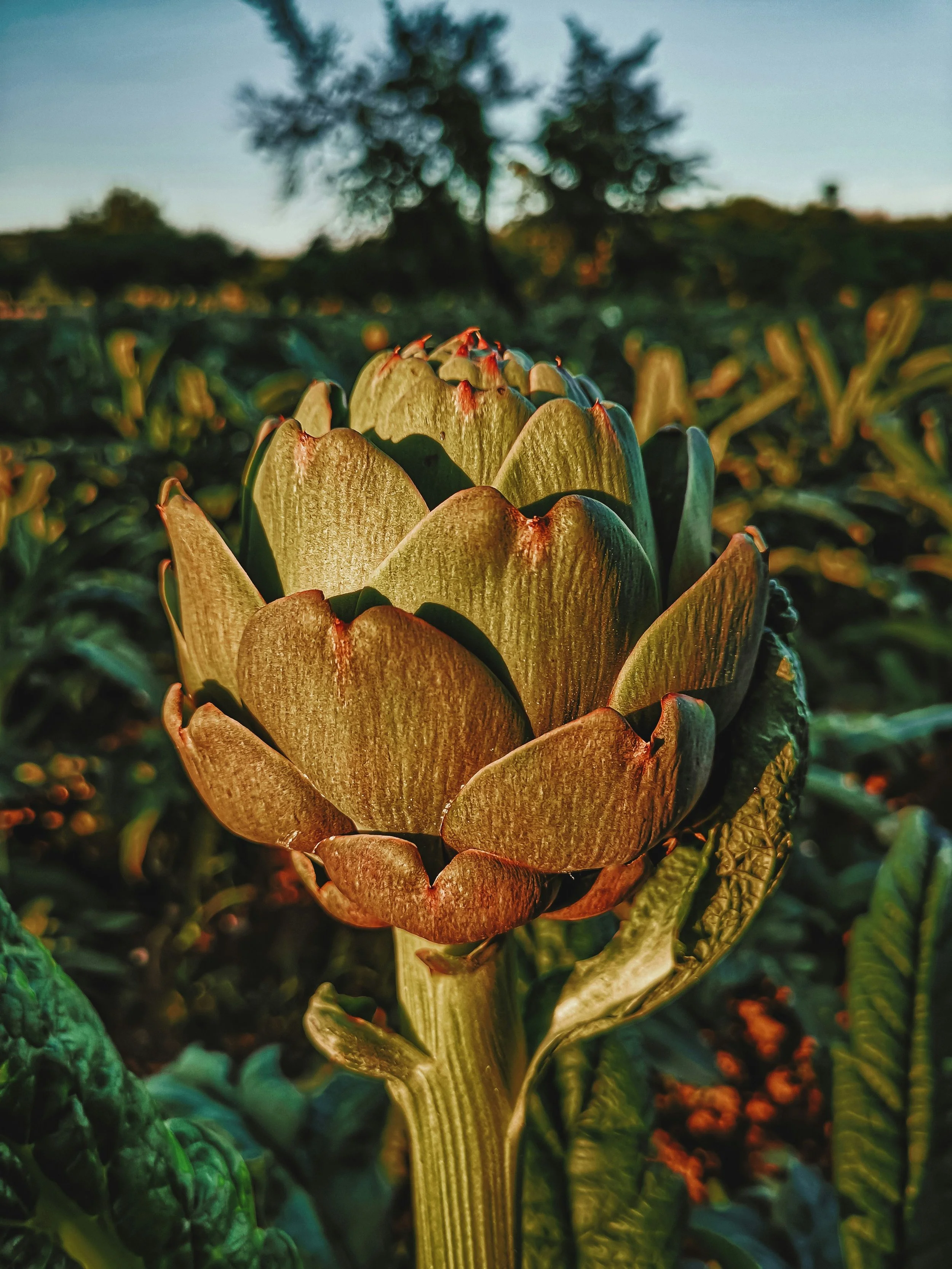
There is a fascinating paradox in the actions of bitter herbs, and artichoke is a perfect example of it. On the one hand, Artichoke increases bile secretion from the liver. Bile is a compound used to break down fat in food, which is exactly why you need it after a meal. This is why Europeans traditionally drink bitters and amaros before and/or after a big meal. The beverages truly help you feel light and unbloated after a heavy, cheesy lasagna. The other part of this paradox is that bitter plants help with fat digestion in food, but decrease lipid levels in the blood. That same increase in bile production pulls cholesterol out of the blood to make it, effectively lowering circulating cholesterol levels. The same mechanism that helps you digest a cheesy lasagna is also quietly cleaning up your bloodstream. One plant, two seemingly opposite outcomes.
Artichoke is a liver herb. It is hepatoprotective, shielding the liver from toxic bile acids and chronic inflammation. What makes artichoke particularly compelling in chronic liver disease like NAFLD/MAFLD, is that it approaches the whole picture. The bitter compounds act directly on the liver, while its prebiotic fibre, inulin, supports a healthy microbiome. In doing so, it targets the gut-liver axis, an increasingly recognized driver of NAFLD. A meta-analysis confirmed that artichoke supplementation reduced liver enzymes and decreased hepatic inflammation. A clinically meaningful outcome that goes beyond common detox claims.
Artichoke supports detoxification by working through two elimination pathways simultaneously, the liver and the kidneys. This is not unique to artichoke but is a broader phenomenon seen across bitter herbs. Nature by design is holisitc: when liver detoxification is stimulated, the kidneys follow, preventing any buildup from accumulating in the system.
Top Actions of Globe Artichoke
Protects the Liver
Protects against toxic bile acids by supporting their flow and reducing stagnation in the liver
Anti-inflammatory and antioxidant actions shield the liver from chronic inflammation and oxidative damage
Good pairings for a liver health and detoxification protocol: milk thistle, dandelion, burdock, fringe tree
Cardiovascular Health
In rats, artichoke inhibits the HMG-CoA reductase enzyme by approximately 30%. The same enzyme targeted by statin drugs like atorvastatin (which reduced activity by 50% at the same concentration)
Improves blood flow through stimulation of nitric oxide production
Several human studies show reductions in LDL and total cholesterol, though relative to other compounds we use clinically, the evidence isn't yet reliable enough to lean on heavily
Digestive Health
Positively influences gut microflora composition, with indications of benefits for mineral absorption, blood lipid levels, and colon cancer prevention
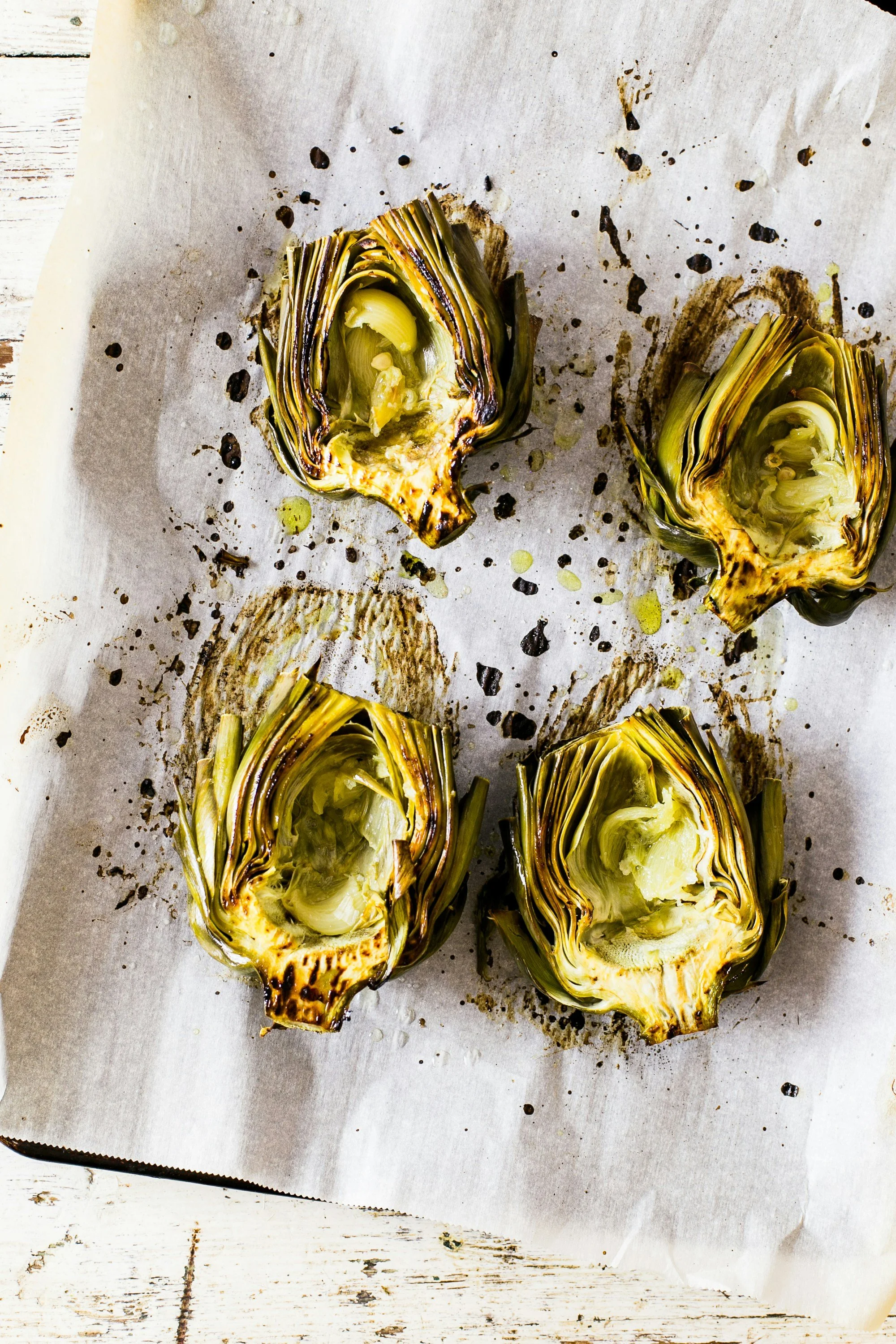
Best consumed as a whole food in a salad, roasted, or fresh.
References
Lattanzio, V., Kroon, P. A., Linsalata, V., & Cardinali, A. (2009). Globe artichoke: A functional food and source of nutraceutical ingredients. Journal of Functional Foods, 1(2), 131–144. https://doi.org/10.1016/j.jff.2009.01.002
Biel, W., Witkowicz, R., Piątkowska, E., & et al. (2020). Proximate composition, minerals and antioxidant activity of artichoke leaf extracts. Biological Trace Element Research, 194, 589–595. https://doi.org/10.1007/s12011-019-01806-3
Qinna, N. A., Kamona, B. S., Alhussainy, T. M., Taha, H., Badwan, A. A., & Matalka, K. Z. (2012). Effects of prickly pear dried leaves, artichoke leaves, turmeric and garlic extracts, and their combinations on preventing dyslipidemia in rats. ISRN Pharmacology, 2012. https://www.ncbi.nlm.nih.gov/pubmed/22811929
Lupattelli, G., Marchesi, S., Lombardini, R., Roscini, A. R., Trinca, F., Gemelli, F., Vaudo, G., & Mannarino, E. (2004). Artichoke juice improves endothelial function in hyperlipemia. Life Sciences, 76(7), 775–782. https://www.ncbi.nlm.nih.gov/pubmed/15581909
Amini, M. R., Sheikhhossein, F., Talebyan, A., Bazshahi, E., Djafari, F., & Hekmatdoost, A. (2022). Effects of Artichoke Supplementation on Liver Enzymes: A Systematic Review and Meta-Analysis of Randomized Controlled Trials. Clinical nutrition research, 11(3), 228–239. https://doi.org/10.7762/cnr.2022.11.3.228